Traumatic Brain Injury (TBI) Recovery

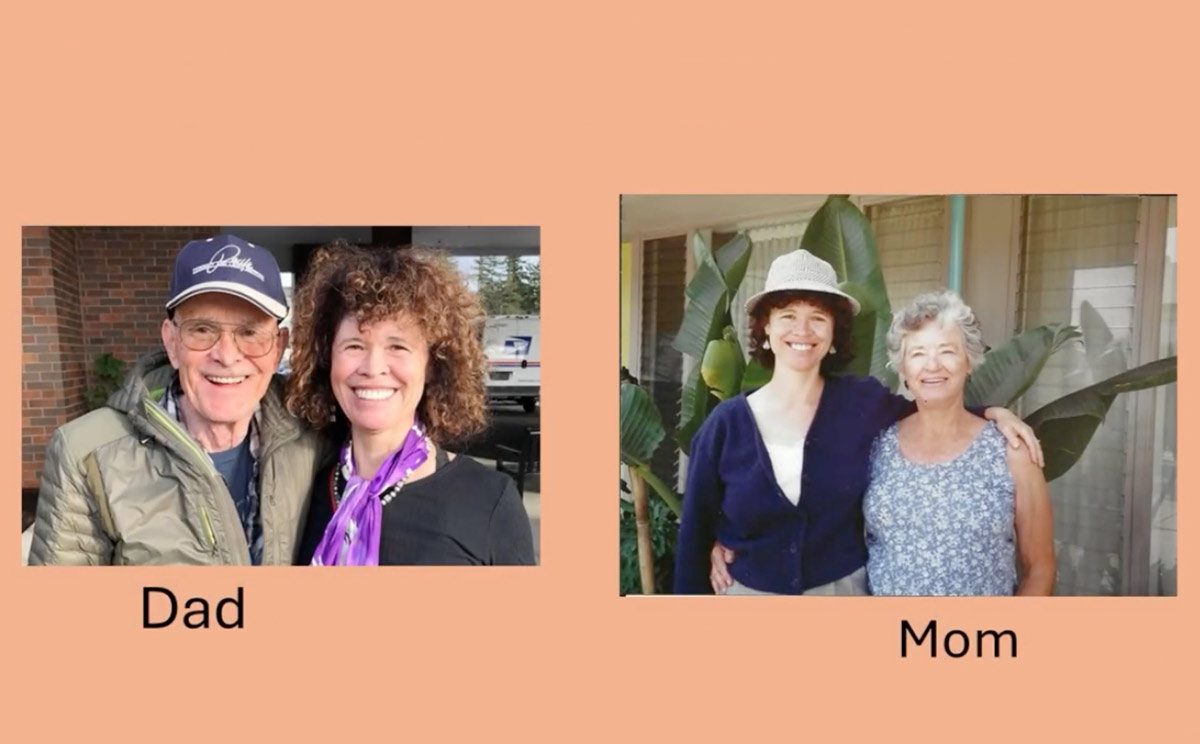
Do you suffer from from Traumatic Brain Injury (TBI) or Post Traumatic Stress Disorder (PTSD)? I also have a TBI and understand how difficult it can be to learn new things.

I have personally tried — and found beneficial for my TBI recovery — the following activities and healing modalities I highly recommend.

—Dr. Bella Box

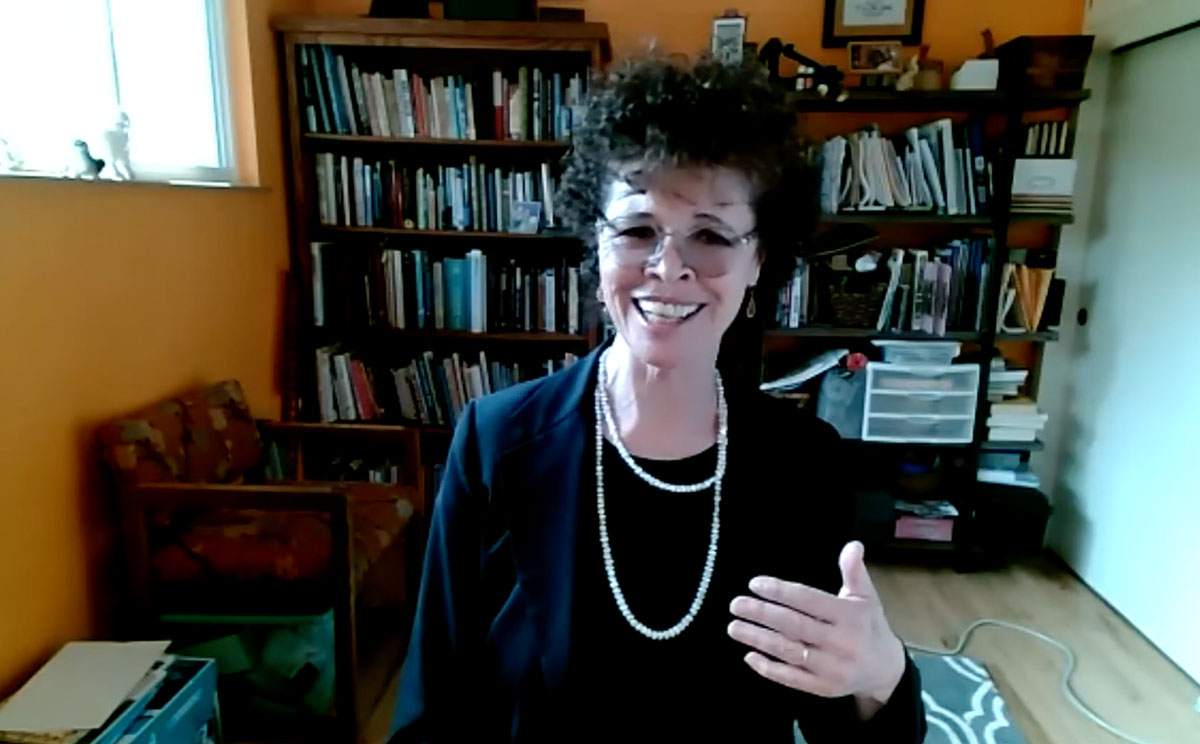
Dr. Box presents FROM HELL TO HEALTH, the story of her personal journey back from a mild traumatic brain injury. Presented to the 20th Annual Pacific Northwest & 39th Annual Medical Legal 2022 Brain Injury Conference. Dr. Box talks about the cumulative effects of her several brain concussions and the therapies she found most helpful for her own recovery.

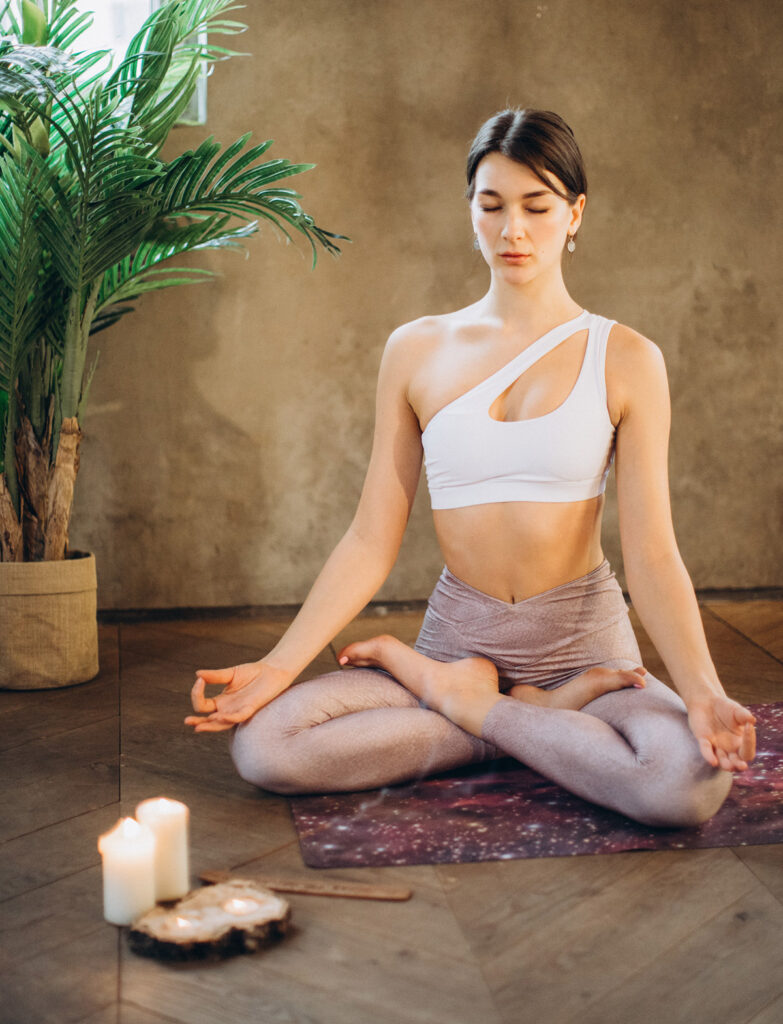
Trauma-Informed Brain Sensitive Yoga

Dr. Box is certified to teach trauma-informed brain sensitive yoga. She has a particular yoga practice that facilitates stability.

Trauma-informed, brain-sensitive yoga is a gentle, nervous-system-aware approach to yoga that prioritizes safety, choice, and connection over performance or perfect poses. It can be especially helpful for people who experience stress, anxiety, overwhelm, disconnection, or trauma-related responses.

What does trauma-informed, brain-sensitive yoga look like?
  • Choice over instruction: Participants are invited to try movements, adapt them, keep their eyes open, or rest. There is no pressure to follow every cue.
  • Supporting the nervous system: Slow, optional movements and comfortable breathing can help people notice their current state without forcing relaxation or deep breathing.
  • Brain-sensitive movement: Simple, predictable movements, sensory awareness, rhythm, and grounding offer opportunities to practice attention, body awareness, and self-regulation.
  • Safety without pressure: No forced stillness, unexpected touch, required closed eyes, or insistence that everyone should feel calm. Rest and opting out are always valid.

Try beginning or advanced group yoga lessons with Dr. Box.

T’ai Chi Chih

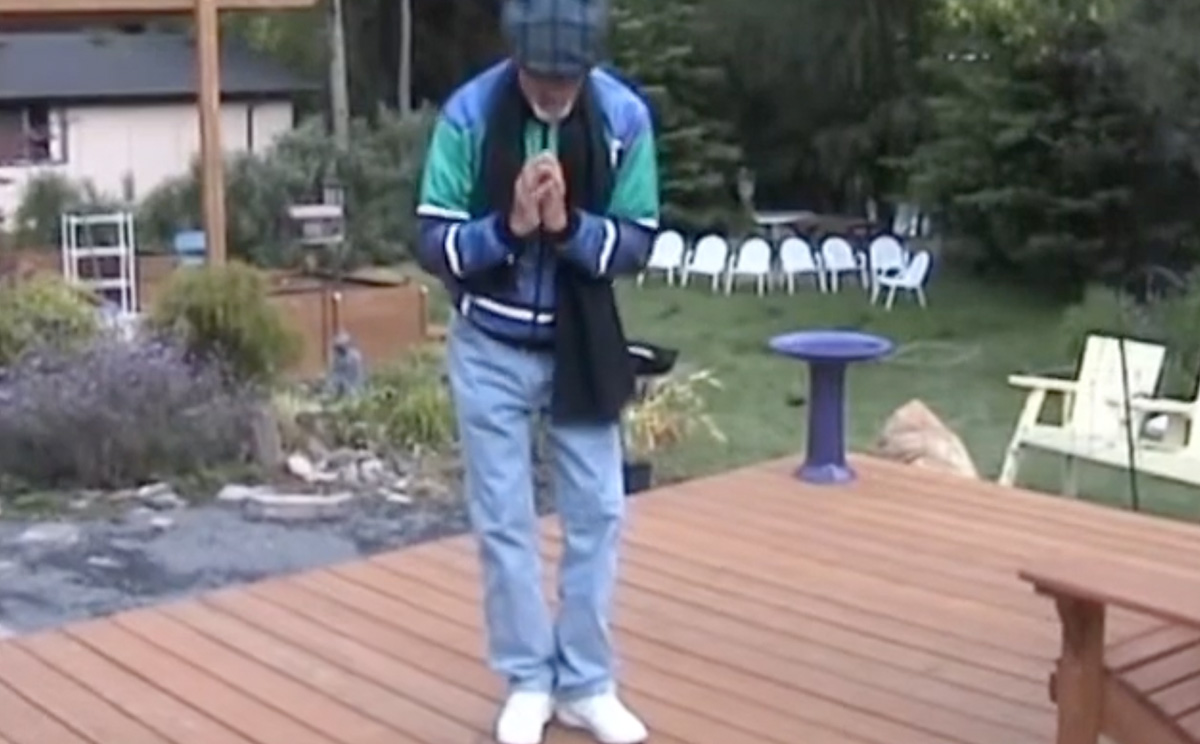
Dr. Box is an accredited T’ai Chi Chih teacher and daily practitioner devoted to optimize health.

Tai Chi Chih (TCC) is a series of 19 gentle, flowing movements and one pose developed by Justin Stone in the 1970s. It is a moving meditation designed to circulate and balance chi (also spelled qi), often translated as “life energy.”

Unlike traditional Tai Chi, which has martial arts roots, Tai Chi Chih focuses on simplicity, relaxation, mindfulness, and the cultivation of inner energy.

Key principles of Tai Chi Chih
  • Gentle movement: Slow, soft, rhythmic movements that are accessible to many fitness levels.
  • Mindfulness: Paying attention to movement, balance, and bodily sensations.
  • Relaxation: Releasing unnecessary muscular tension without forcing the body.
  • Balance and grounding: Developing awareness of weight shifts and connection with the ground.
  • Moving meditation: Quieting mental activity through focused, repetitive movement.
Tai Chi Chih and trauma-informed practice

Tai Chi Chih may complement a trauma-informed, brain-sensitive wellness approach because its movements are generally predictable, low-impact, and adaptable. Participants can move at their own pace, keep their eyes open, take breaks, and choose what feels comfortable.

Potential benefits include improved balance, body awareness, stress management, and emotional well-being, although individual experiences vary and research specifically on Tai Chi Chih is limited.

Try beginning or advanced T’ai Chi Chih lessons with Dr. Box.

Nutrition for TBI

Dr. Box recommends dietary guidance to facilitate brain stability, including a modified ketogenic (keto) diet.

TBI Recovery Questions

If you have any questions, text Dr. Bella Box at 503-734-0955.