
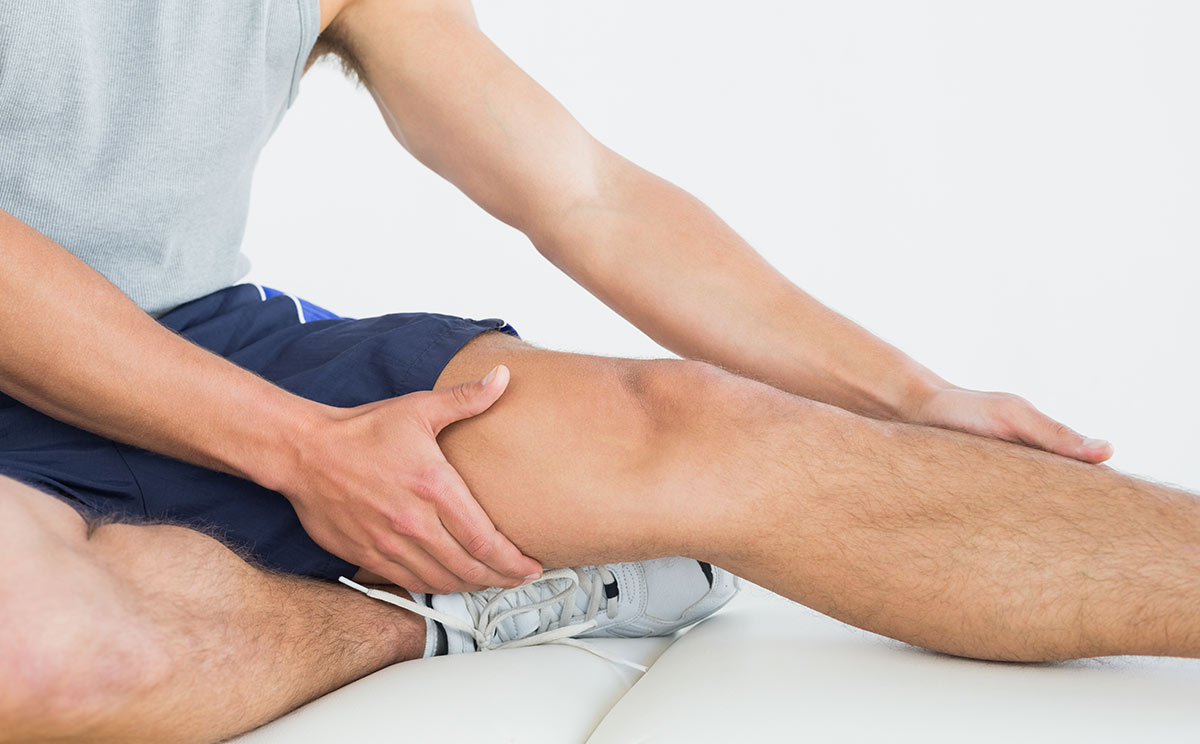
Repeatedly pressing or squeezing the shinbone activates a newly discovered "bone-brain axis" that releases protective chemical signals to help the brain recover after strokes and traumatic brain injuries (TBIs).
Recent studies in animals show that this physical pressure triggers a powerful healing response throughout the body. Scientists call this method dynamic compressive tibial axial loading (DCTAL), which involves gentle, rhythmic pressing on the lower leg bone.
How the Bone-Brain Connection Works
- Living Bone Cells: Bones are not lifeless scaffolding. They are full of living cells called osteocytes that sense physical force.
- The Pressure Switch: These bone cells use a special sensor channel called PIEZO1 to detect when the bone is being squeezed.
- The Messenger Route: When PIEZO1 feels the pressure, the bone cells release protective proteins directly into the bloodstream, carrying signals all the way to the injured brain.
Key Molecules Released
When the shinbone is compressed, the body produces and boosts several specific molecules that repair tissue and lower swelling:
- IL-1R2 (Interleukin-1 receptor 2): A protein that fights harmful chronic inflammation in the brain.
- HSP70 (Heat shock protein 70): A protein that protects cells from dying after an injury.
- APOL11a: A specialized lipid transport molecule that helps cellular recovery.
- BDNF (Brain-derived neurotrophic factor): A growth factor that helps repair neurons and grow new brain cells.
- PF4 and Dopamine: Chemical messengers that also increase in the blood to support brain repair.
Proven Benefits in Studies
- Better Survival: In severe brain injury tests on mice, rhythmic leg compression raised two-week survival rates from 20% to 90%.
- Improved Recovery: Treated animals showed much better movement, memory, and cognitive skills.
- Less Damage: Animals had less brain cell loss, smaller damaged areas, and reduced long-term swelling.
You can read the original scientific findings in the published study on PubMed.